
What High-Performing Remote Teams Do Differently
Remote work promises flexibility and global talent—but not all teams thrive. The difference isn't talent. It's how work is designed, tracked, and understood.
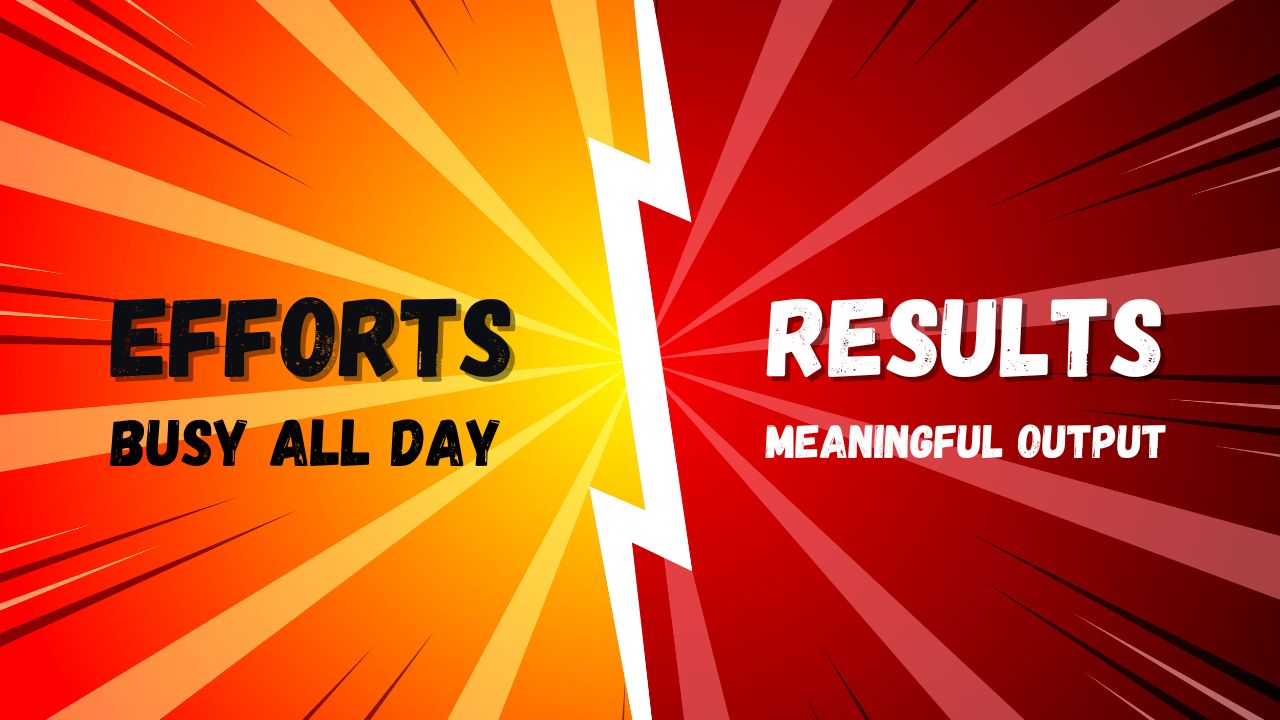
Remote work has quickly become the norm for startups worldwide. Yet the reality is mixed. While some teams thrive, others struggle with misalignment, slow execution, and declining productivity. The difference is not talent—it is how work is designed.
The Real Difference: Clarity Over Activity
At a surface level, remote teams look busy. Calendars are filled, messages are constant, and tasks are moving. But high-performing teams understand something most others miss:
Activity is not the same as progress.
Instead of focusing on busyness, they focus on clarity. They design systems where work is visible, measurable, and aligned with outcomes.
1. They Focus on Outcomes, Not Hours
High-performing teams do not measure productivity by how long someone is online. They measure it by what gets delivered. This creates a fundamental shift in mindset—from “Are you working?” to “Are we making progress?”
- —Builds accountability without pressure
- —Removes unnecessary monitoring
- —Aligns effort with impact
The result is a culture where performance is driven by results, not presence.
2. They Make Communication Intentional
In remote environments, communication can easily become overwhelming—too many messages, too many tools, too many meetings. High-performing teams simplify this by designing purposeful communication:
- —Define clear communication channels
- —Document decisions and updates
- —Reduce dependency on real-time responses
The goal is not constant communication, but clear and purposeful communication.
3. They Respect Time as a Strategic Resource
Time is treated as a core asset, not just a constraint. These teams understand that meetings consume time quickly, interruptions break focus, and context switching reduces efficiency. So they actively design workflows to protect it.
Fewer Meetings
They minimize unnecessary meetings and replace them with async updates that respect everyone's focus time.
Async by Default
Work happens on each person's schedule, with clear documentation so nothing falls through the cracks.
Focus Blocks
Structured deep work windows are protected from interruptions, enabling meaningful progress each day.
Context Switching
They actively reduce task-switching by batching similar work together and limiting reactive communication.
4. They Build Visibility Without Micromanagement
One of the biggest challenges in remote teams is visibility. Leaders often feel the need to check in constantly because they lack clarity. High-performing teams solve this differently—they build systems where work becomes visible without interrupting people.
Instead of asking for updates, they rely on shared visibility. This reduces friction and builds trust across the organization.
5. They Use Time Intelligence to Improve Performance
This is where the real shift happens. High-performing teams do not just manage tasks—they understand how time flows across their organization. They look at patterns such as:
- —How much time is spent in meetings
- —How much deep work time actually exists
- —Where collaboration is most concentrated
- —Where bottlenecks are forming
This layer of insight is called time intelligence. It allows teams to move beyond assumptions and make better decisions about how work should happen.
How Timeliberate Enables High-Performing Remote Teams
This is exactly where Timeliberate comes in. Timeliberate helps teams understand how time is actually spent without relying on manual tracking or intrusive monitoring. It provides visibility into:
- —Meeting load across teams
- —Availability of focused work time
- —Collaboration patterns
- —Productivity bottlenecks
With this clarity, leaders can reduce unnecessary meetings, improve team focus, optimize workflows, and make faster, data-backed decisions. Instead of guessing what is happening, they can see it clearly.
6. They Build Culture Beyond Location
Remote teams do not rely on physical proximity to build culture. They build it through trust and transparency, clear expectations, consistent communication, and shared goals. High-performing teams understand that culture is not about where people work—it is about how people work together.
7. They Continuously Improve How Work Happens
The best remote teams treat their way of working as something that evolves. They regularly ask: What is slowing us down? Where are we wasting time? What can we simplify? They iterate on their workflows just like they iterate on their product—keeping them adaptable and efficient as they grow.
The teams that succeed are not the ones that work more hours—they are the ones that work with more clarity.
Final Thoughts
Remote work is not automatically productive. It requires intentional design. The teams that succeed focus on outcomes, communicate with purpose, protect time, build visibility, and use time intelligence to improve continuously. And that is what truly sets them apart.
Special Access for Growing Teams
Build a High-Performing Remote Team with Better Visibility
If your team is remote or hybrid and has crossed the 10 employee milestone, this is where productivity challenges begin to surface. Timeliberate offers free early access, helping you understand how your team spends time and build a high-performing system from the start.
Start Using Time Intelligence