
How Time Intelligence Supercharges Startup Decision-Making
Speed without clarity leads to costly mistakes. Here's how time intelligence turns scattered work patterns into your sharpest competitive edge.
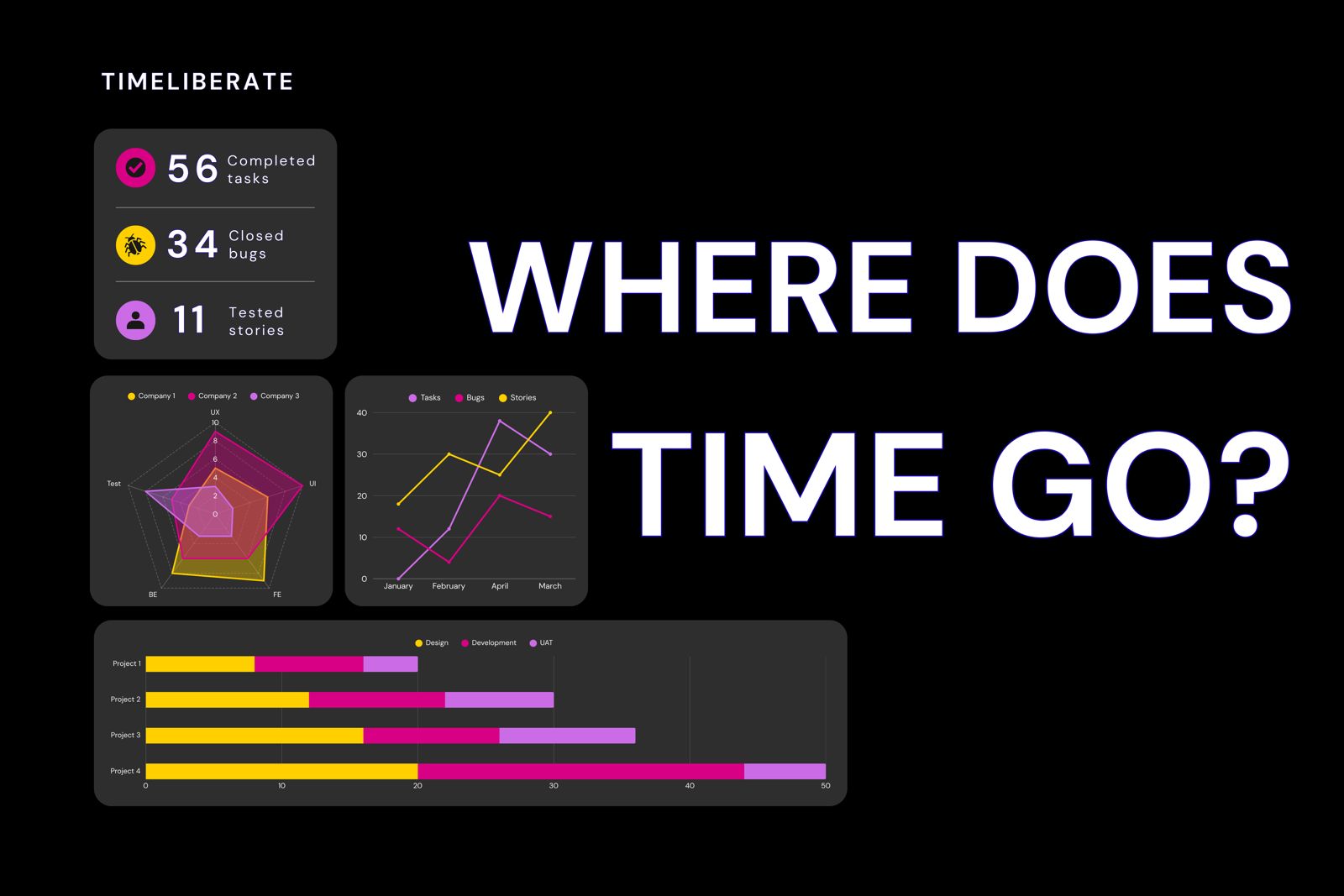
If you have ever been part of a startup, you know the pace is relentless. Every day brings a wave of decisions — what to prioritize, where to invest, when to hire, what needs immediate attention.
In the early days, many of these decisions are driven by instinct. Founders rely on experience, intuition, and quick judgment. But as the company grows, instinct alone is not enough. This is where time intelligence becomes a powerful advantage.
What Exactly Is Time Intelligence?
Time intelligence is not just about managing schedules or tracking hours. It is about understanding how time is actually spent across your organization and using that insight to make better decisions.
It answers questions like:
- ?How much time is spent in meetings versus focused work?
- ?Which teams are overloaded and which have capacity?
- ?Where is collaboration happening most?
- ?What activities consume the most time?
Instead of guessing how work happens, founders gain visibility into real work patterns. This shift moves decision-making from assumptions to clarity.
Why Time Intelligence Matters in Startups
Startups operate in conditions of constant uncertainty. Resources are limited. Time is constrained. And decisions have immediate consequences. Without visibility into how time is spent, even strong strategies can fail due to poor execution.
Time intelligence helps founders navigate this by bringing structure to chaos:
Clarity
Understand not just what is happening, but how work actually happens across teams.
Focus
Teams spend more time on high-impact work and less on low-value activities.
Agility
Decisions become adaptive and responsive to real-time patterns, not outdated plans.
Confidence
Leaders act faster because decisions are backed by data, not just intuition.
Where Most Startups Go Wrong
Many teams try to improve productivity using traditional tools. They track tasks. They log hours. They run more meetings.
But these approaches often miss the bigger picture. They show activity, not insight. A team can appear busy while still being inefficient. Without understanding how time flows across the organization, founders risk making decisions based on incomplete information.
A team can appear busy while still being inefficient. Without insight into how time flows, decisions are built on incomplete information.
How to Build Time Intelligence in Your Startup
Developing time intelligence does not require complex systems from day one. It starts with awareness and evolves with the right tools.
Track Work Patterns, Not Just Tasks
Look beyond deliverables. Understand how much time is going into meetings, collaboration, and deep work. This reveals whether your team is truly productive or simply busy.
Create a Rhythm of Reflection
Regular check-ins should focus not just on progress, but on how work is being done. Ask:
- ?Where are we spending most of our time?
- ?What feels inefficient?
- ?What is slowing us down?
Protect Deep Work
High-impact work requires uninterrupted focus. Reducing unnecessary meetings and interruptions can significantly improve output.
Use Tools That Provide Insight, Not Just Data
This is where platforms like Timeliberate play a key role. Timeliberate helps founders understand how time flows across their teams without intrusive tracking or manual reporting. It surfaces insights such as:
- —Meeting load across teams
- —Availability of deep work time
- —Collaboration patterns
- —Emerging productivity bottlenecks
With this level of visibility, founders can make faster and more accurate decisions.
The Decision-Making Advantage
When startups adopt time intelligence, decision-making improves across the board:
- —Prioritization becomes clearer
- —Bottlenecks are identified earlier
- —Resources are allocated more effectively
- —Execution becomes faster and more focused
Instead of reacting to problems, teams begin to anticipate them. This is what separates reactive startups from strategic, scalable organizations.
Final Thoughts
Startups move fast, but speed without clarity can lead to costly mistakes. Time intelligence from Timeliberate brings structure to that speed. It helps founders understand how their teams operate, where time is being invested, and where improvements can be made.
And in a world where time is the most limited resource, that understanding becomes a true competitive advantage.
Special Access for Growing Teams
Start Making Smarter Decisions
If your team is approaching or has crossed 10 employees, this is the stage where decision complexity begins to increase. Get free early access to Timeliberate and bring clarity to how your team works.
Get Early Access — It's Free